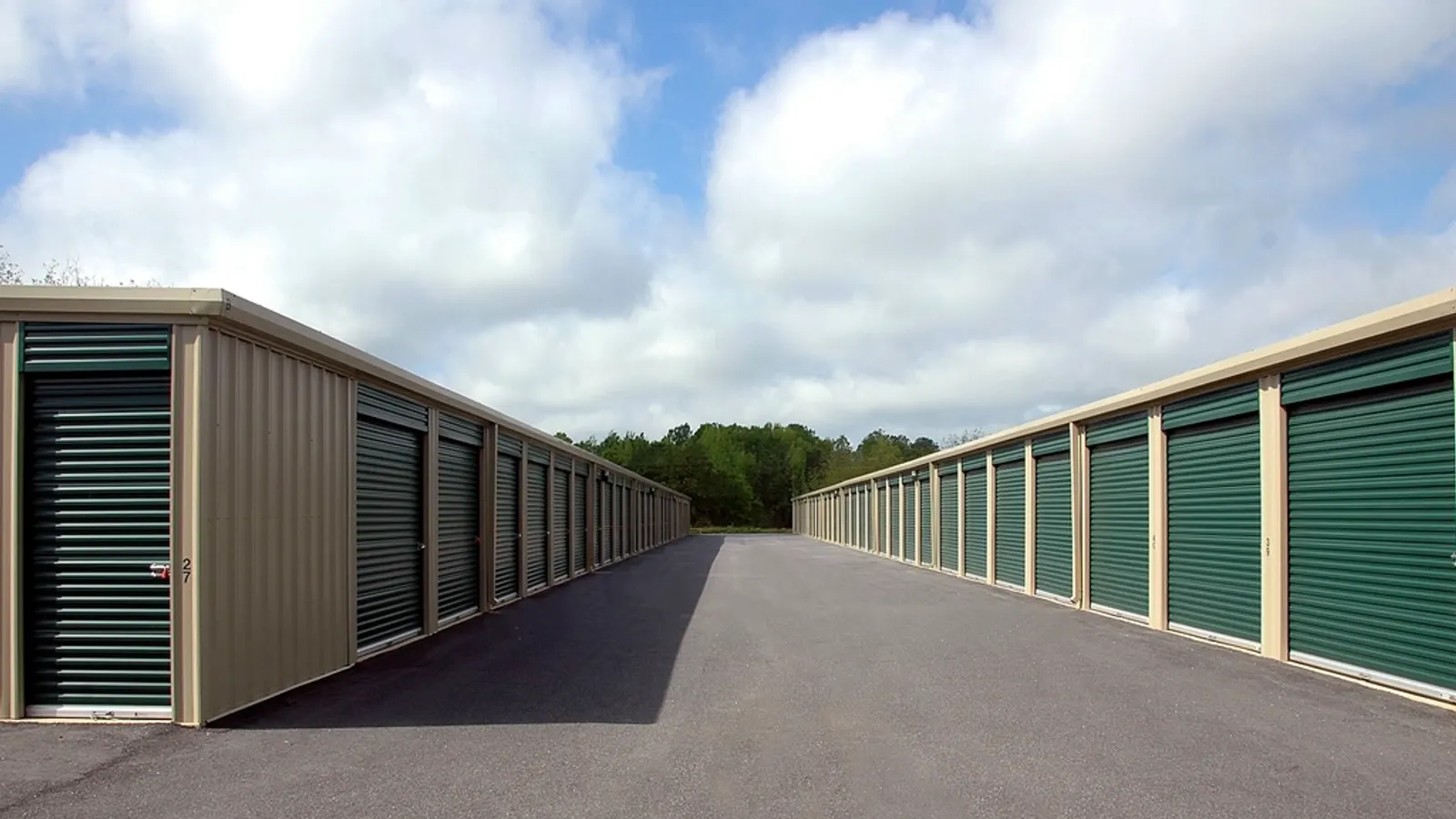
Moving and storage go together far more often than most GTA households expect. In a perfect move, the truck loads at your old address in the morning and unloads at the new one that afternoon. In the real Toronto market, closing dates slip, renovations run long, and lease dates refuse to line up, which leaves thousands of families every year with everything they own packed and nowhere to put it. Fast Track Move has been bridging that gap since 2016, pairing CVOR-certified moving crews with secure, climate-controlled storage at our GTA facility. With 955+ five-star Google reviews behind us, we have seen every version of the storage gap, and this guide explains how to handle yours without paying for it twice.
Key Takeaways
- ✓The most common storage triggers in the GTA are mismatched closing dates, renovation delays, downsizing overflow, and gaps between leases
- ✓Using one company for moving and storage means fewer handling touchpoints, one point of accountability, and no second DIY load-in day
- ✓Ask any provider about climate control, security, insurance while in storage, access rules, and minimum terms before you sign anything
- ✓Fast Track Move stores items in climate-controlled units with 24/7 monitoring, month-to-month billing, and pickup and re-delivery included in the workflow
- ✓Storage is quoted on volume and duration, not a flat citywide rate, so an accurate inventory is the fastest route to an accurate price
Why Moving and Storage Often Go Together
Ask anyone who has bought and sold a home in Toronto in the same season: the odds of both transactions closing on the same day, with keys in hand by noon, are slim. Moving and storage stopped being separate industries a long time ago because the timeline problems that create a move are the same ones that create a storage need. A seller wants a longer closing, a buyer's financing pushes a date, a landlord cannot release a unit until the previous tenant's lease legally ends. When any of those happen, your belongings need a safe place to wait, and the question becomes whether that place is a self-storage unit you manage yourself or a storage service run by the same crew that already has your furniture wrapped and loaded on their truck. The difference between those two answers shapes your cost, your risk, and how many times your sofa gets carried up a ramp.
The Situations That Create a Storage Gap
Four scenarios account for the vast majority of storage-during-a-move calls we take at our North York base. The first is the classic closing date mismatch: you sell with a June 15 closing and buy with a July 2 closing, and those seventeen days need a plan for both you and your belongings. The second is renovation delay. Anyone moving into a home that is being painted, refloored, or remodelled knows contractor schedules move; if you bought a new build, delays are common enough that Tarion, Ontario's new home warranty administrator, has a formal compensation process for delayed closings. The third is downsizing, where a family moving from a detached house to a condo genuinely cannot fit everything on day one and needs time to decide what stays, what goes to family, and what gets sold. The fourth is the lease gap, common with renters and students, where one tenancy ends August 31 and the next begins September 15. Ontario's rules on lease timing are worth understanding here; the province's renting in Ontario guide covers what landlords can and cannot require around move-out dates. Every one of these situations is normal, predictable, and solvable, provided storage is part of the moving plan rather than a panicked afterthought.
Do I Need Storage When Moving? A Quick Test
Not every gap needs a storage unit. If your dates overlap by a day or two, a slightly longer moving day or an early-morning load often solves it. The honest test is a set of three questions. First, is there any period, even 24 hours, when you will not have legal access to either home? If yes, you need storage, full stop. Second, will the new home be ready for all of your belongings on day one, or is part of it a construction zone? Partial readiness usually means partial storage. Third, in a downsizing move, have you actually measured what fits? If the answer involves the word "probably", short-term storage buys you the time to decide without renting a bigger truck or making rushed decisions about furniture you have owned for decades. If none of those three apply, save your money and skip the unit.
Mover Storage vs a Self-Storage Unit
This is the fork in the road, and the differences are bigger than most people assume. A self-storage unit is a space you rent; everything else is on you. A mover's storage service is part of the move itself. Here is how the two options compare for a typical GTA storage gap:
Planning a Move?
Get a free, no-obligation quote in under 2 minutes.
| Factor | Mover's storage service | DIY self-storage unit |
|---|---|---|
| Who loads and unloads | The moving crew, both directions | You, or movers hired twice |
| Handling touchpoints | Load once, deliver once | Load, unload, reload, unload again |
| Accountability if damage occurs | One company, one claim | Split between mover, facility, and you |
| Inventory | Documented by the crew | Whatever you write down |
| Insurance while stored | Through the mover's storage plan | Separate policy you arrange |
| Best for | Full-household gaps, downsizing | Long-term storage of a few items |
The touchpoint math is the part worth dwelling on. With a self-storage unit in the middle of your move, every item is carried four times instead of two: onto the truck, into the unit, back onto a truck, into the new home. Each carry is a chance for a corner to get dinged or a box to get crushed, and if something does go wrong, you are left figuring out whether it happened on the mover's truck, in your rented unit, or in your brother-in-law's trailer. With a single moving and storage provider, your belongings are wrapped once, inventoried once, and one company answers for them from first pickup to final delivery. That accountability is worth at least as much as the labour savings.
Questions to Ask Any Moving and Storage Company
Whether you call us or anyone else, put these questions to the provider before you commit. Is the storage climate controlled? Toronto basements and standard drive-up units swing from humid summers to sub-zero winters, and wood furniture, electronics, artwork, and leather all suffer for it. What security is in place: cameras, alarms, controlled access, or just a padlock you supply? What insurance applies while your items are in storage, because your mover's transit coverage and the facility's building policy are not the same thing, and Ontario's standard carrier valuation of $0.60 per pound per article is minimal on its own. Ask what is included and what enhanced coverage costs. How does access work: can you retrieve a single box mid-term, and how much notice is required? What are the minimum and maximum terms, and is there a cancellation fee if your closing date suddenly moves up? Finally, ask who physically handles the items at every stage. If the answer involves a third-party facility the mover has never seen inside, keep asking questions.
How Storage Works on a Fast Track Move Job
Here is what the process looks like when storage is part of a Fast Track Move booking. It starts with a conversation about what you need to store and for how long, so we can recommend the right unit size; our units range from locker-sized spaces around 25 square feet up to warehouse-scale spaces over 500 square feet, and most full households fit comfortably in the 100 to 200 square foot range. On pickup day, the crew wraps furniture specifically for storage rather than just for transit, and builds a detailed digital inventory as the truck is loaded. Your belongings then go into a clean, climate-controlled unit with 24/7 security monitoring, CCTV, alarms, and controlled access at our GTA facility, which is easy to reach from North York, Scarborough, downtown Toronto, and Mississauga. Billing is month-to-month with no long-term contract and no cancellation fees, so a closing date that moves by two weeks does not cost you a penalty. Basic insurance coverage is included with every storage plan, with enhanced full-replacement-value coverage available if your inventory warrants it. When the new home is ready, you schedule a full or partial retrieval and the crew delivers to your door. You never rent a second truck, and you never carry a couch yourself.
Access While Your Items Are Stored
A fair question with any temporary storage arrangement in the GTA is what happens when you need the winter tires, the filing box with the mortgage documents, or the crib that suddenly matters more than expected. Scheduled access during business hours is part of our standard arrangement, and after-hours visits can be arranged with 24 hours of notice. If you know in advance you will need frequent access, say so during the quote conversation; it changes how the crew loads the unit, with likely-needed items placed at the front rather than buried behind the dining set. This is another quiet advantage of the digital inventory: instead of opening fifteen boxes in a cold hallway, you can identify the box you need before anyone drives anywhere.
What Storage Costs Depend On
We quote storage based on volume and duration rather than a flat citywide rate, because those two factors genuinely drive the cost. A one-bedroom condo's worth of furniture for three weeks is a very different job than a four-bedroom house for four months. The moving legs of the job are priced like any other Fast Track Move booking, with hourly crew rates that currently start at $159 per hour for two movers in the off-season and run to $229 per hour at holiday peak, plus the standard travel fee based on distance from our North York depot. On the storage side, the honest cost drivers are the square footage your inventory needs, how long it stays, and whether you add enhanced insurance coverage. Be wary of any provider quoting a storage price without asking what you own; a number produced that fast is either padded or about to grow.
Common Mistakes When Storing During a Move
A few patterns cause most of the storage grief we see. Packing for transit instead of storage is the first: a blanket-wrap that protects a dresser for a 40-minute drive is not the same as protection for three months of storage, which is why our crews wrap differently when they know items are heading to a unit. Storing things you should not is the second; do not store perishables, propane tanks, or anything irreplaceable like passports and jewellery, which belong with you. Skipping the inventory is the third and most costly, because without one you cannot make an insurance claim properly or find anything mid-term. Fourth is under-estimating duration; renovations in particular almost always run past the promised date, so month-to-month terms matter more than a slightly cheaper locked-in rate. Finally, do not forget the administrative side of a two-stage move: set up Canada Post mail forwarding from the day you leave the old address, not the day you arrive at the new one, or two weeks of mail will chase a house you no longer own.
Planning a Move With Storage in the GTA
A storage gap feels like a crisis the first time it happens to you, but from where we sit it is just a slightly longer move with a safe pause in the middle. The plan is straightforward: confirm your dates, get an honest inventory together, choose a provider who handles both the moving and the storage under one roof, and ask the insurance and access questions before signing anything. Fast Track Move has been running exactly these jobs across Toronto, North York, and the wider GTA since 2016, fully insured and WSIB-covered, with our storage service built to plug directly into a standard residential move and our packing crews available when you want the wrapping done properly for a longer stay. If your closing dates do not line up, your renovation is running long, or your downsizing plan needs breathing room, call us at 647-931-2328 for a free, no-obligation quote. Tell us both dates, and we will handle everything in between.