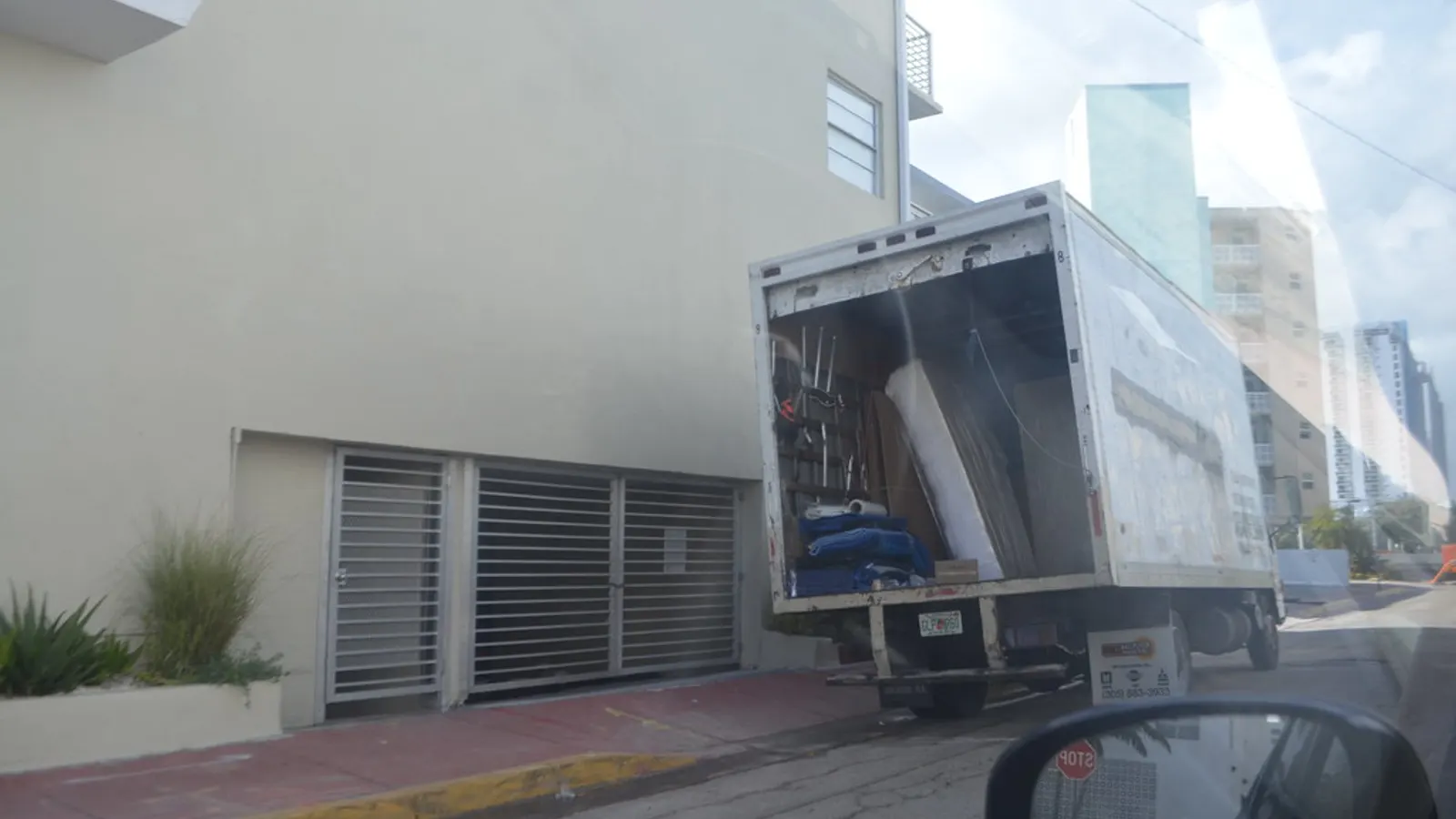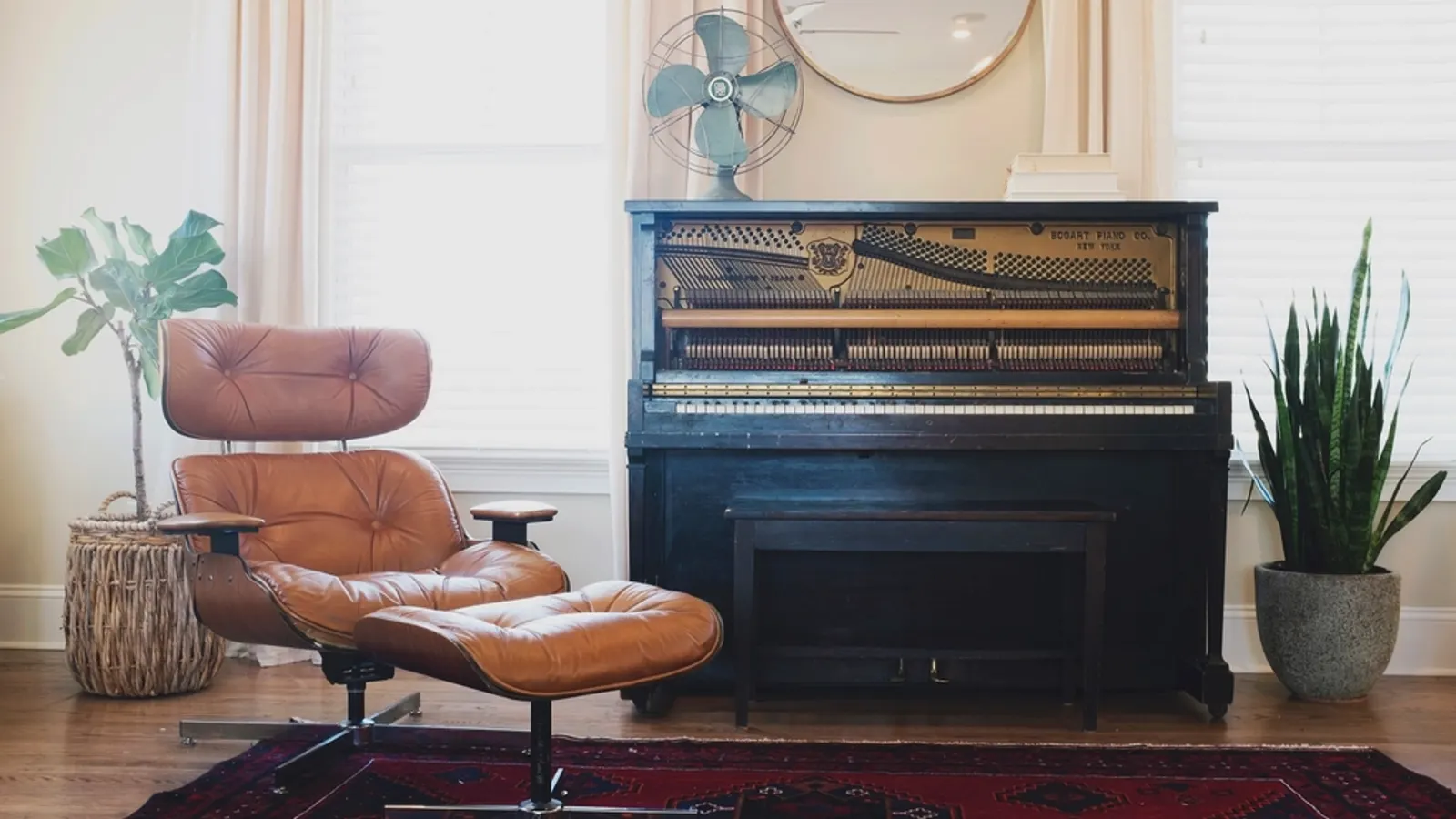
A piano is one of the most challenging single items to move in any home. Upright pianos typically weigh 300 to 800 pounds depending on size and age. Grand pianos run 500 to 1,200 pounds, and a concert grand can exceed that significantly. What makes pianos particularly difficult is the combination of weight, balance sensitivity, and the delicacy of internal mechanisms that determine how the instrument sounds and plays. The team at Fast Track Move handles piano moves across North York regularly, and this guide covers everything you need to know before you move yours.
Key Takeaways
- ✓Upright pianos weigh 300 to 800 lbs; grand pianos weigh 500 to 1,200 lbs; never move either without specialist movers
- ✓A minimum of 3 movers is required for all piano moves; Fast Track Move charges $259/hr for a 3-mover crew with a 3-hour minimum
- ✓A typical piano move costs $777 to $1,036 in labour, plus the applicable truck fee ($199 within North York)
- ✓Grand pianos must have their legs removed before moving and must never rest flat on their soundboard without proper support
- ✓The [Piano Technicians Guild](https://www.ptg.org) recommends waiting at least 2 weeks after a move before scheduling a tuning appointment
- ✓[WSIB](https://www.wsib.ca) coverage is critical for heavy item moves; confirm your mover carries it before they lift a single key
## Why Do Pianos Need Specialist Movers?
Piano moving requires specialist care because of three compounding risk factors, not just the weight alone. According to the Canadian Association of Movers, piano damage is among the most common claims in the residential moving industry. That alone disqualifies most general movers from doing the job safely.
First, the center of gravity. Pianos are not uniformly weighted. Grand pianos are heaviest at the cast iron plate near the strings, which sits in a non-intuitive position relative to how the instrument looks from the outside. Uprights are heaviest at the top third of the cabinet. Tilting or leaning a piano in the wrong direction can cause a sudden shift in weight that injures a mover and damages the instrument.
Second, the internal mechanisms. Inside any piano are thousands of small components: hammers, dampers, strings, pins, and the soundboard itself. A significant drop or hard impact can shift the internal action, break hammers, crack the soundboard, or detune the instrument significantly. Some of these repairs cost more than the piano is worth.
Planning a Move?
Get a free, no-obligation quote in under 2 minutes.
Third, the finish. Piano cabinets are finished in lacquer or polyester and scratch very easily. Moving blankets and proper wrapping are not optional. They are the baseline for any legitimate piano move.
## What Equipment Is Required for a Safe Piano Move?
The equipment used for piano moves is different from standard furniture moving gear. A legitimate piano moving crew from a specialty moving service arrives with the following items.
A piano board, also called a piano skid board. This is a thick, padded platform that the upright piano is strapped to for transport. It allows the piano to be moved on its side on a dolly without the legs absorbing the weight of the cabinet.
Furniture dollies rated for the load. A standard hand truck is not sufficient. Piano dollies are wider, lower to the ground, and rated for the weight of a piano. Four-wheel dollies are used for grand piano legs and for moving the main body across flat surfaces.
Ratchet straps. The piano needs to be secured to both the board and to the interior of the truck. Ratchet straps provide the tension and security that bungee cords and moving rope cannot match.
Stair rollers for staircases. Moving a piano down a staircase requires stair rollers, also called stair climber dollies, which have a stepped wheel design that allows controlled descent one stair at a time. This is not a tool most general moving companies carry.
Moving blankets. Multiple layers of heavy moving blankets wrap the piano before anything else happens. The blankets go on before the piano is even tilted off its spot, protecting the finish from the moment of first contact.
## How Do You Move an Upright Piano Safely?
An upright piano is moved on a piano board in a specific sequence that minimizes risk at every step. About 85% of residential piano moves involve uprights, making this the most common scenario our crews handle.
Before touching the piano, the crew locks the keyboard lid if the instrument has a locking mechanism. This protects the keys from shifting during the move. If the piano does not lock, the crew positions padding around the keyboard area to keep the fallboard closed.
The piano is then wrapped completely in moving blankets, starting with the top and working down the sides and around the back. The blankets are secured with stretch wrap rather than tape (tape damages the finish) or with moving bands.
The crew tilts the piano slightly and slides the piano board underneath, positioning it so the piano's weight is distributed across the board. Ratchet straps go around the piano and the board together. The strapped unit is then tipped onto a dolly and moved to the truck or elevator.
Loading the piano into the truck: the piano board goes in on its side, with the keyboard side facing up. The piano is strapped to the truck interior walls. It does not travel flat.
## How Is Moving a Grand Piano Different?
A grand piano move is more involved because the instrument cannot be moved in its normal playing position. The process has additional steps that require experience to do correctly. Grand pianos range from 5 feet (baby grand) to over 9 feet (concert grand), and each size presents distinct handling challenges.
Legs and pedals are removed first. A grand piano has three legs, each attached with bolts or pins that the crew removes carefully. The pedal lyre (the structure that holds the three pedals at the base) is also removed. These components are wrapped individually and transported separately.
The piano lid is removed and wrapped separately. The fallboard (the cover over the keys) is padded and secured. If the piano has a music desk, it is also removed and wrapped.
The main body of the piano is then carefully tipped onto its left side (the straight side, not the curved side) onto a padded piano board. This should only be done with experienced movers because the balance point on a grand piano is not intuitive and tipping it incorrectly causes the internal components to shift.
With the piano body on its side on the piano board, it is strapped securely and wheeled out of the space on a dolly. In the truck, the piano travels on its side with the soundboard facing up and with protection between the soundboard and the truck wall.
At the destination, the process reverses: piano comes off the truck on its side, is brought into position, tipped upright, and the legs and pedals are reattached. Only then should the blankets come off.
## How Do Staircases and Freight Elevators Affect a Piano Move?
Staircases are the most technically demanding part of a piano move. Moving an upright down a staircase requires stair rollers and a crew of at least 3 people: two controlling the descent of the piano on the rollers and one positioned below to guide and stop the movement at each step.
North York walk-up apartment buildings, particularly older buildings in the Willowdale and Bayview Village areas, present this challenge regularly. A 3-floor walk-up with a tight staircase and a 90-degree landing adds significant time and complexity to the job. Before booking, confirm the exact staircase dimensions with your movers.
Freight elevators in North York condos typically have a weight capacity of 2,000 to 4,500 pounds, which is more than adequate for most pianos. The relevant dimension is the elevator interior, specifically whether the piano on its board can fit through the elevator door opening. Most freight elevator door openings in North York towers are 42 to 48 inches wide, and most upright pianos are 54 to 60 inches wide, which means the piano goes in on its board at an angle. Experienced crews know how to navigate this. Less experienced ones discover the problem at the elevator door.
A real example from our piano moving services: we recently moved a baby grand from a Bayview Village house to a new address in Don Mills. The piano had to come down a half-flight of stairs in the original home before it could be loaded. The move took just over 3 hours with 3 movers, came in at $777 in labour plus the $199 truck fee, and the piano arrived in perfect condition. The client had it tuned two weeks later and the technician confirmed it had settled well.
## How Does Weather Affect Piano Transport in Toronto?
Toronto summers and winters both create risks for pianos in transit. These are not reasons to avoid moving a piano in those seasons. They are reasons to be aware and plan accordingly.
In summer, a piano sitting in a closed moving truck on a hot Toronto day can experience significant temperature and humidity swings. Pianos are built from wood, and wood expands and contracts with temperature and moisture changes. A 2 to 3 hour exposure window during a move is acceptable. Leaving the piano in the truck overnight is not.
In winter, the opposite risk applies. Bringing a piano from a warm home into a cold truck and then into a new space causes rapid temperature changes that affect the wood, the strings, and the felt on the hammers. Keep the move as quick and direct as possible in cold weather, and allow the piano to acclimate to room temperature at the new location before playing it.
In both cases, the Piano Technicians Guild recommends allowing at least 2 weeks before scheduling a piano tuning. The instrument needs time to acclimate to its new environment, and any tuning done immediately after a move will drift quickly as the instrument settles.
## What Does a Piano Move Cost in North York?
All piano moves at Fast Track Move require a minimum of 3 movers at $259 per hour. The 3-hour minimum applies, so the labour cost starts at $777. Most piano moves within North York finish within the 3-hour minimum or take 3 to 4 hours, putting the total labour cost in the $777 to $1,036 range. For context on general moving costs, see our full pricing breakdown.
The truck fee depends on the move distance. For moves within North York (the 0 to 25 km bracket from our North York depot), the truck fee is $199. For moves to other parts of Toronto or Vaughan, the fee is $249. These fees are flat and cover fuel, vehicle costs, and the crew's travel to and from our base.
For a typical North York piano move, you are looking at $976 to $1,235 all in. This is meaningfully more than a standard furniture move, but it reflects the skill and equipment required to move the instrument safely. Attempting a piano move with a 2-person crew that lacks a piano board and stair rollers is how pianos get damaged and movers get injured.
## Why Does WSIB Coverage Matter for Piano Moves?
Moving a piano is one of the highest-injury-risk tasks in the moving industry. The weight, the awkward center of gravity, and the staircase element combine to create real physical risk for the crew. The Workplace Safety and Insurance Board (WSIB) requires Ontario moving companies to carry coverage. If a mover is injured on your property and the company is not covered, you as the property owner could face liability.
Fast Track Move carries full WSIB coverage on all our moves, including specialty moving and piano moves. This is not an optional extra. It is a baseline requirement for anyone hiring movers in Ontario. Before you book any moving company for a piano move, ask them directly whether their crew is WSIB-registered and ask to see confirmation.
Moving a piano into a North York home, whether a Willowdale condo on the 20th floor or a house in Bayview Village, requires a crew that has done it before and has the right equipment. Over 955 Google reviews and more than a decade of North York condo and house moves make Fast Track Move the team to call. Get a free piano moving quote and we will give you a straight answer on timing, cost, and logistics.
## Frequently Asked Questions
**How much does it cost to move a piano in North York?** A typical piano move within North York costs $976 to $1,235 all in. That includes a 3-mover crew at $259/hr (3-hour minimum = $777 labour base) plus the $199 flat truck fee for moves within 25 km of our depot. Grand piano moves or jobs with multiple staircases may run slightly higher.
**Can movers move a grand piano up stairs?** Yes, but it requires a specialized crew with stair rollers, a piano board, and at least 3 experienced movers. Grand pianos must have their legs and pedal lyre removed before navigating any staircase. The piano travels on its side strapped to a padded board, with the crew controlling descent one step at a time.
**How long should I wait to tune a piano after moving it?** Wait at least 2 weeks before scheduling a tuning appointment. The piano needs time to acclimate to temperature and humidity levels in its new location. The Piano Technicians Guild recommends this settling period because any tuning done immediately after a move will drift as the wood and strings adjust.
**Do I need WSIB-covered movers for a piano move?** Yes. Piano moving is one of the highest-injury-risk tasks in the moving industry. If a mover is injured on your property and the company lacks WSIB coverage, you as the property owner could face liability. Always ask your moving company for proof of WSIB registration before they lift anything.
**Will a piano fit in a North York condo freight elevator?** Most freight elevator door openings in North York towers are 42 to 48 inches wide, while upright pianos are 54 to 60 inches wide. The piano goes in on its board at an angle. Experienced crews know how to navigate this clearance. Grand pianos, with legs removed and body on its side, also fit through most freight elevator openings.