According to the Canadian Animal Health Institute, over 60% of Canadian households own at least one pet. The Ontario SPCA reports that relocation stress is one of the leading causes of pets being surrendered to shelters, and most of that stress is preventable with planning. The crew at Fast Track Move has handled pet-adjacent moves across North York and the wider GTA for years. This guide covers practical steps that reduce stress for dogs, cats, fish, birds, and reptiles on moving day.
**KEY TAKEAWAYS:** - Keep pets in a closed, labelled room while movers work. A stressed dog near a crew carrying a sofa down stairs is dangerous for everyone. - Cats need a staged introduction to the new space. Set them up in one room first and expand access over several days. - Walk your dog for 45 to 60 minutes before the crew arrives to burn off anxious energy. - Toronto condo buildings often restrict pet breeds, sizes, or species. Confirm the building policy before signing a lease. - Update your City of Toronto pet licence and microchip records with your new address within 30 days. - Aquariums must be fully drained before transport. Fish travel in sealed bags with original tank water in your personal vehicle. - Schedule a vet visit two weeks before the move to get updated records and discuss anti-anxiety options for your animal.
## How Should You Prepare Your Pet Before Moving Day?
Start vet visits and carrier training at least two weeks before the move. The Ontario SPCA recommends updating vaccinations and getting a health certificate before any relocation, especially if you are switching to a new veterinary clinic across the city. Pet owners who skip this step often regret it when the new vet asks for records they do not have.
If your pet is microchipped, write down the chip number and registry so you can update the address after the move. Ask your vet whether a mild anti-anxiety supplement is appropriate. Some vets recommend calming chews or prescription medication for dogs and cats with high anxiety. This is worth discussing if your pet is already prone to stress.
Planning a Move?
Get a free, no-obligation quote in under 2 minutes.
Maintain your pet's regular food throughout the move period. Switching brands during a move adds digestive disruption on top of emotional disruption. Buy extra of whatever your pet currently eats and do not introduce anything new for at least two weeks after settling in.
For cats, get a quality carrier well before the move. Introduce it a week early by leaving it open with a familiar blanket inside so the cat treats it as a sleeping spot. If you need help with packing your home while managing pet prep, our crew handles the boxes so you can focus on the animals.
## How Do You Keep a Dog Calm on Moving Day?
Dogs mirror their owner's stress, so the most effective calming strategy starts with you. According to City of Toronto Animal Services, regular exercise is the biggest factor in managing canine anxiety during life changes. A 45 to 60 minute walk before the crew arrives will tire out most dogs enough that they sleep through the loading phase.
If you have a high-energy breed, a trip to an off-leash park for a run is even better. Earl Bales Park in North York has one of the larger off-leash areas in the city and is an easy option if you are moving from the North York area. G Ross Lord Park works well if you are further north on Dufferin Street. Windfields Park in Don Mills offers another solid off-leash option in the east end of North York.
Designate one room as the pet room. Put the dog in it with water, food, bedding, and comfort items. Tape a note on the door reading "DO NOT OPEN, PET INSIDE" and tell the crew. If a friend or family member can take your dog for the day, that is even better.
At the new home, set up your dog's bed, water bowl, and familiar toys in a single room before letting them explore freely. Some dogs take a full week to relax in a new space. Walks around the new neighbourhood help them map the territory.
## What Is the Safest Way to Move Cats?
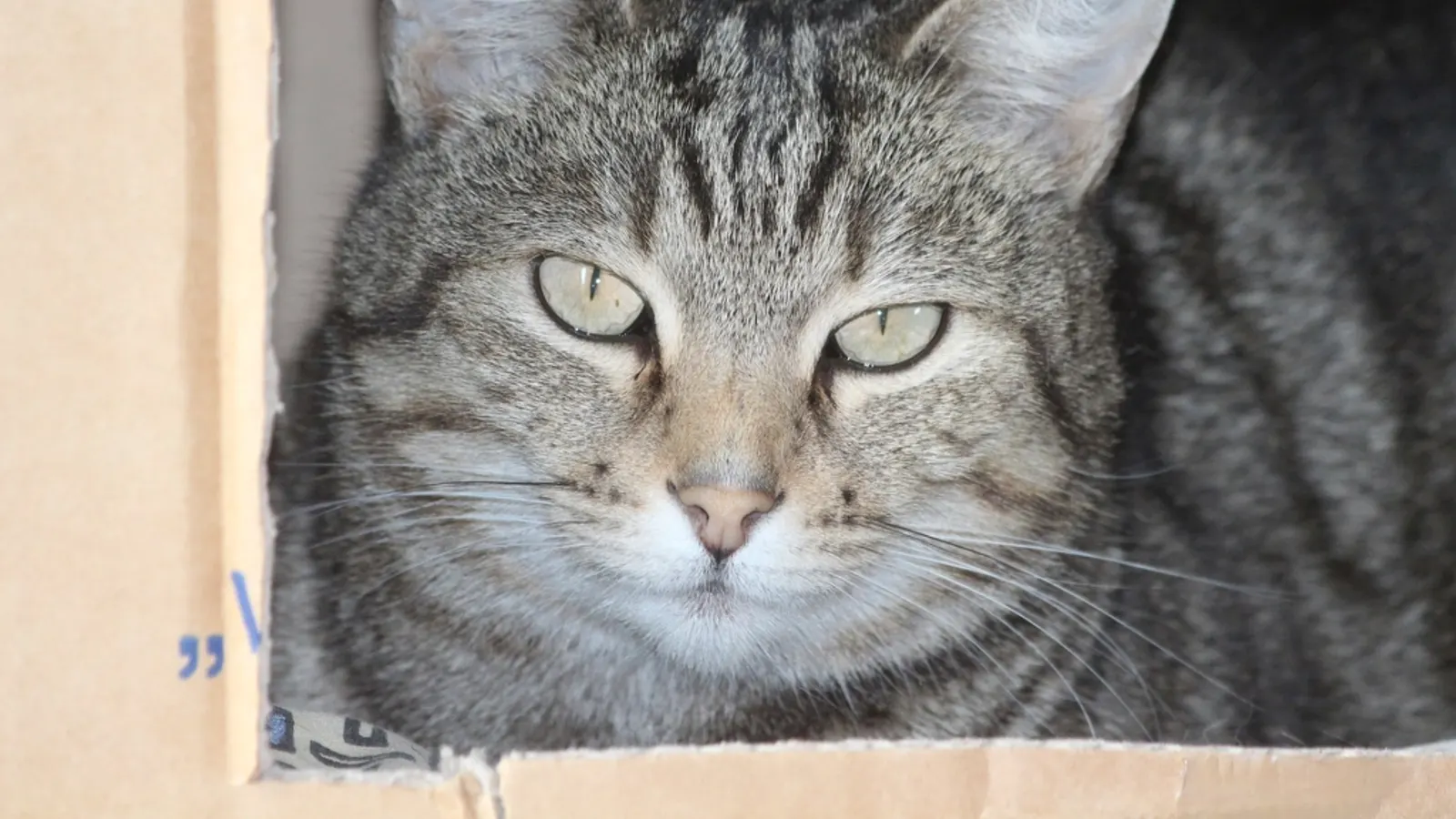
Cats hate change more than almost any other domestic animal. The Ontario SPCA notes that working with a cat's instinct to hide rather than fighting it produces the best results. Cats forced into open exploration of a new home often develop litter box avoidance and stop eating for days.
At the new home, set up one room completely before letting the cat out of the carrier: litter box, food and water bowls, familiar blanket, and a few toys. Let the cat explore this single room for 24 to 48 hours before opening access to the rest of the home.
Do not force interaction during the first few days. Let the cat approach you on its own terms. Cats left to explore at their own pace settle much faster than cats that get picked up and carried around for introduction tours.
Familiar smells help enormously. A used blanket or piece of your clothing placed near the cat's bed provides an olfactory anchor. Some vets recommend synthetic pheromone diffusers (Feliway is the most common brand) plugged in at the new space ahead of the move date to create a calming scent layer before the cat arrives.
During transport, keep the carrier covered with a light cloth and secured on the floor of your car. Never transport a cat in the moving truck. If your move involves a lot of belongings, check our residential moving services to see how we coordinate timing around pet transport.
## Can You Move a Fish Tank Without Losing Fish?
Yes, but never while the tank is full. A standard 30-gallon aquarium weighs over 250 pounds when filled, making it impossible to carry safely. Water sloshing during transport stresses tank seams in ways that lead to leaks or cracks at the destination.
Drain the tank completely before the crew arrives. Save as much original tank water as possible in sealed, food-safe buckets because the beneficial bacteria keep tank chemistry stable. Fish go into sealed plastic bags with original water and extra oxygen. In Toronto winters, place bags in an insulated cooler with a heat pack.
Transport fish in your personal vehicle. Moving trucks are not temperature controlled. If you are moving within North York or across the GTA, most fish handle 60 to 90 minutes in bags without serious stress. Longer distances require battery-powered air pumps.
Reassemble the tank at the new home before unpacking anything else. Run the filter for 30 minutes before reintroducing fish. No moving crew should transport a full or partially filled aquarium.
## What About Birds and Reptiles?
Birds are sensitive to both temperature changes and airborne fumes. Moving trucks and vehicles produce exhaust fumes that can be harmful or even fatal to birds. Transport them in your car with heating or air conditioning set to a comfortable and stable temperature. Cover the cage with a light cloth to reduce visual stimulation during the drive. Never place the cage in the trunk or the back of a moving truck.
At the new home, set up the cage in a quiet room away from the unloading path before the bird arrives. Birds that hear furniture being dropped can develop stress behaviours like feather plucking that persist for weeks. Give the bird a full day in the quiet room before moving the cage to its permanent spot.
Reptiles require temperature stability above all else. In Toronto winters, a bearded dragon or ball python in a cold car can go into thermal shock within minutes. Use a heated transport bag or insulated container with a reptile-safe heat pack. In summer, avoid direct sunlight on the container.
For any exotic pet, check the building pet policy at your destination before moving day. Some Toronto condos restrict animals beyond dogs and cats, and a handful prohibit reptiles or large aquariums due to water damage concerns.
## What Toronto Condo Pet Rules Should You Know Before Moving?
Toronto's condo market has a complicated relationship with pets. Many buildings restrict breed, size, number, or species of animals. Some prohibit dogs over 25 kilograms or ban specific breeds entirely. A handful of older rental buildings still technically prohibit pets, though the enforceability of total pet bans in Ontario remains a grey area under the Residential Tenancies Act.
Before signing a lease, read the pet policy and building declaration carefully. Ask the property manager directly whether your specific pet is permitted. Check common area rules too, as many condos require pets to be carried through the lobby.
Some buildings request a pet deposit, though deposits beyond first and last month's rent are technically not enforceable under Ontario's Residential Tenancies Act. Knowing the law gives you leverage in the conversation.
The City of Toronto requires all dogs and cats to be licensed. Licences are renewable annually and tied to your home address. When you move, update your pet licence with the new address through the City of Toronto's animal services portal within 30 days. Licensed animals have significantly higher recovery rates when lost. If your pet is microchipped, update the registry address at the same time.
## Where Are the Best Off-Leash Dog Parks Near Your New Home?
For dog owners, proximity to an off-leash park matters more than most people expect when choosing a neighbourhood. The City of Toronto maintains designated off-leash areas across the city, and knowing your options before you move saves time during the adjustment period.
In North York, Earl Bales Park on Bathurst Street offers one of the largest off-leash areas with rolling hills and separate sections for small and large dogs. G Ross Lord Park further north on Dufferin Street has a spacious fenced off-leash zone. Windfields Park in Don Mills and Serena Gundy Park serve the eastern side of North York well.
Dogs must be on leash in all city parks except designated off-leash areas. Fines range from $240 to $365. Check our North York area guide for parks and neighbourhood layout if you are moving to an unfamiliar area.
## How Do You Coordinate Movers and Pets on the Same Day?
The best approach is to transport pets to the new address first, settle them in their designated room, and then have the moving crew arrive with the furniture afterward. If the new home is not available early enough, arrange for a trusted friend or family member to take the animals for the day. If neither option works, the closed-room approach with a clear door sign and crew communication is reliable.
Our crew coordinates pet-inclusive moves regularly. The animals are always the owner's responsibility, but we schedule arrival times so the crew shows up after pets are secured. Check our first apartment moving checklist for a full timeline, or get a free quote to plan your move.
Fast Track Move has over 955 five-star reviews from Toronto and North York residents. Plan the pet logistics first, then build the moving schedule around them. Check our residential moving page for what a full-service move includes.
## Frequently Asked Questions
**How far in advance should I prepare my pet for a move?**
Start preparation at least two weeks before your move date. Schedule a vet visit to update vaccinations and discuss anti-anxiety options. Begin carrier training for cats and crate training for dogs during this window. Introduce packing boxes gradually so pets can adjust to the changing environment without sudden shock.
**Do Toronto condos allow all types of pets?**
No. Many Toronto condos restrict pets by breed, weight, species, or number. Some buildings ban dogs over 25 kilograms or prohibit specific breeds. Others do not allow reptiles or aquariums above a certain size. Always read the building's declaration and house rules, and confirm your specific pet is permitted in writing before signing a lease.
**How do I update my pet licence after moving in Toronto?**
Visit the City of Toronto animal services portal to update your pet licence with your new address. The city requires this update within 30 days of moving. If your pet is microchipped, contact the microchip registry separately to update that address as well. Licensed pets have significantly higher recovery rates when lost.
**Can movers handle pets during the move?**
No. Professional movers handle furniture, boxes, and household items. Live animals are always the owner's responsibility. However, you can coordinate timing with your moving crew so that pets are transported and settled at the new address before the furniture arrives. Fast Track Move regularly works with pet owners to schedule arrival times that minimize animal stress.
**What should I pack in a pet essentials bag for moving day?**
Pack two days of food, water bowls, medications, vaccination records, a leash or carrier, familiar bedding, a favourite toy, waste bags, and your vet's contact information. Keep this bag in your personal vehicle so it is accessible immediately at the new address. For cats, include a portable litter tray and a small bag of their regular litter.