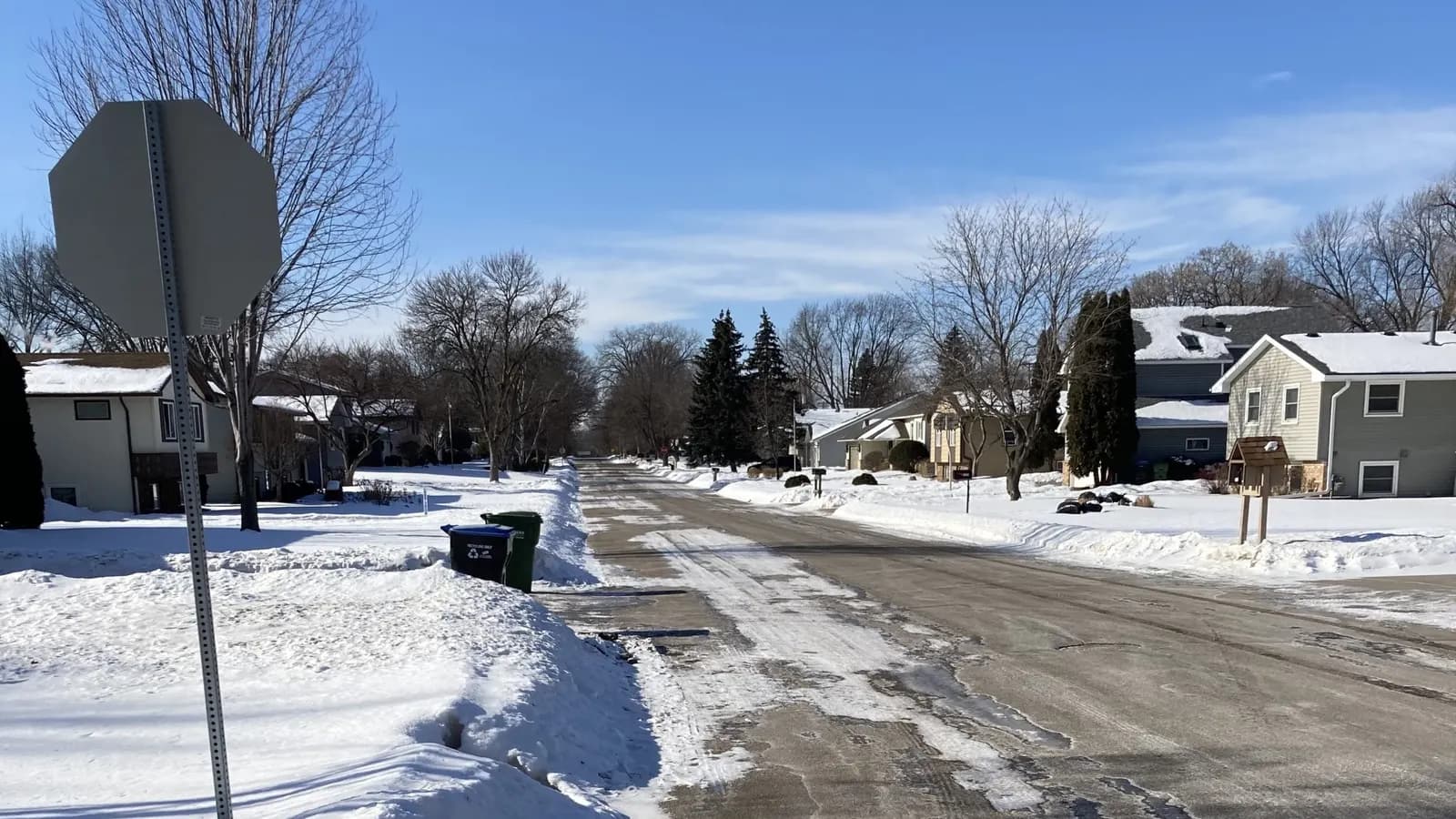
Most people assume that moving in winter is a bad idea. The truth is more complicated. Yes, January in Toronto can throw ice storms, frozen locks, and early sunsets at you. But winter moving also comes with genuine advantages that the spring and fall crowds never get to enjoy. According to Environment Canada, Toronto averages 34 days below minus 10 Celsius each winter. After years of year-round operation, the team at Fast Track Move has developed a clear approach to cold-weather moves. This guide covers what you need to know before you book a winter move in the city.
Key Takeaways
- ✓Winter moves are easier to schedule: movers have more availability and building elevators are simpler to book on weekdays
- ✓Ice and snow on walkways is the top safety hazard. Salt, sand, and rubber mats are essential
- ✓Electronics need to warm to room temperature before being plugged in after a cold truck
- ✓Plants cannot survive in an unheated moving truck in January or February
- ✓Toronto's [winter parking ban](https://www.toronto.ca/services-payments/streets-parking-transportation/road-maintenance/winter-maintenance/) runs from December to March on major routes, so street loading requires a plan
- ✓FTM rates are the same in winter as in summer. You get the same price with better availability
Why Is Winter a Good Time to Move in Toronto?
Winter is one of the best times to move in Toronto because demand for movers drops 30 to 40 percent between November and February, according to industry booking data. That means easier scheduling, faster elevator access in condos, and more flexibility on start times for your crew.
From roughly November through February, demand for residential moving services in Toronto drops significantly. That means you can usually book your preferred date, your preferred time slot, and your preferred crew size without much lead time. During the spring rush from March through June, the opposite is true. People are competing for the same Friday and Saturday morning slots, and popular buildings in North York may have their loading docks and freight elevators booked weeks out.
In a condo or apartment building, elevator booking is one of the most time-consuming logistics tasks in a Toronto move. During busy seasons, Saturdays are taken fast. In January, you can often book a Thursday or Friday in the same week you call. Building management offices are more responsive during quieter periods too. The combination of mover availability and building availability makes winter a genuinely good time to move if you can be flexible.
Planning a Move?
Get a free, no-obligation quote in under 2 minutes.
Cost is another factor worth considering. Hourly rates at Fast Track Move are the same year-round, but mid-week winter moves are the easiest to schedule. That gives you real choice over your start time. A morning start in winter is far easier to secure than in peak season.
What Are the Biggest Challenges of Moving in Winter?
The biggest challenge is ice and snow on walkways, which cause the majority of winter moving injuries and furniture damage in Toronto. Going in unprepared can turn a manageable job into a long, frustrating day. Here is what we have learned from running jobs in January and February across the city.
Ice and snow on walkways is the top physical hazard. A mover carrying a sofa down an unsalted front path is a workplace injury waiting to happen. Furniture that slips out of hands on an icy step can be damaged beyond repair. Before the crew arrives, the person moving out should make sure all paths from the door to the truck loading area are salted, sanded, or cleared. Our crew brings bags of salt to every winter job as a standard item. If the building has not cleared the loading dock area, we do it before we start.
Frozen truck locks and door seals happen on the coldest nights. Trucks that sit outside overnight in a hard freeze sometimes need a few minutes of engine warmth before the cargo door will open freely. This is not a major delay, but it is worth building 15 minutes of buffer into your morning schedule on days when the overnight low drops below minus 10 Celsius.
Shorter daylight hours affect how the day is planned. In December and January, the sun sets around 4:30 in the afternoon. If you have a large move and loading does not start until noon, you may find yourself finishing in the dark. Our recommendation is to start by 8 or 9am on any winter move that involves more than a 1-bedroom apartment. It simply gives you enough daylight for the full job.
Cold weather tires muscles out faster than people expect. Moving heavy furniture in bulky winter clothing is physically harder than moving in shorts and a t-shirt. Crew members move slightly more slowly in the cold, and rest time between carries is a little longer. For a large home, budget an extra 30 to 45 minutes compared to the same job in summer conditions. Our crew accounts for this in how we plan winter jobs.
How Do You Protect Belongings During a Cold-Weather Move?
Upholstered furniture, electronics, wood pieces, and houseplants all face specific risks when temperatures drop below zero. Each category requires different protection, and skipping any of them can lead to permanent damage that no insurance claim will feel good about.
Upholstered furniture, sofas, and fabric chairs pick up moisture from slush in building lobbies and elevator floors. We use heavy plastic sofa covers on every fabric piece as standard on winter jobs. These covers keep the fabric dry from the moment the piece leaves the unit to the moment it arrives in the new home. The same covers protect against slush tracked through condo building lobbies throughout the day.
Wood furniture, including tabletops, dressers, and hardwood bed frames, can develop micro-cracks in very cold conditions if exposed to rapid temperature changes. Extra moving blankets on all wood surfaces, followed by a slow warm-up at the new home before unpacking, prevents the worst of this.
Electronics are the item that surprises people most. A TV or computer that has been in a cold truck for 90 minutes should not be plugged in immediately at the destination. Condensation forms inside electronics when cold air meets warm room air. Turning on a device while condensation is present can cause irreversible damage. Give electronics at least two hours at room temperature before powering them on.
Plants cannot survive in an unheated moving truck in a Toronto winter. Even a short transit in sub-zero temperatures will kill most houseplants. Transport plants in your car with the heat on, wrapped in newspaper for insulation. For large plants that cannot fit in a car, accept that a January truck ride is a risk and plan accordingly.
How Do Toronto Condos Handle Winter Move Logistics?
Most North York and downtown Toronto condos require rubber-backed floor runners during winter moves because salt and slush cause permanent damage to lobby and hallway finishes. Some buildings make this mandatory. Others simply expect it from professional movers who know the building.
The lobbies in most North York condo buildings take a beating in winter. Residents tracking in slush, salt, and ice melt means that hallway floors from the lobby to the elevator are often wet and sometimes slippery by 10am on a busy morning. Salt tracked in from outside can permanently stain hardwood hallway floors if it is not wiped up quickly.
Our crew lays rubber-backed floor runners from the elevator to the unit door and from the lobby entrance to the freight elevator on every winter condo job. This protects the building's finishes and protects the furniture being moved. Some buildings require this; others simply appreciate it.
If your building has underground parking and a loading dock, request access before the move. Loading from underground is the best possible scenario in a Toronto winter. The truck is protected from the elements, there is no snow or ice to manage, and the path from truck to elevator is entirely indoors. Not every building will accommodate a large moving truck underground, but it is always worth asking.
Salt damage to hardwood floors in condo hallways is a real liability in winter. Clients who have installed new hardwood floors are particularly vulnerable when movers without proper matting drag salt crystals across the surface. Protect the floors before the job starts, and make sure all footwear is wiped before entering.
What Toronto-Specific Winter Rules Affect Your Move?
The City of Toronto winter parking ban prohibits overnight street parking on designated major routes from December 1 to March 31. Moving trucks parked on a banned street between 12am and 7am can be ticketed and towed, so checking the parking ban map before your move is essential.
If your move involves street loading from a house rather than a building with a loading dock, confirm the parking rules for that specific street. Starting your move after 7am avoids the overnight restriction on most routes, but snow removal operations can create additional temporary bans during active storms.
Ice storms are a real possibility in Toronto from December through early April. The city had two notable ice storm events in the past decade that shut down roads and caused widespread power outages. If a major storm is forecast for your move date, talk with your moving company at least 48 hours in advance. At Fast Track Move, we work with clients to identify a backup date for winter moves in case of severe weather. Check Environment Canada weather alerts in the days leading up to your move.
Toronto Hydro service does not need to be transferred or switched off when you move within the city, but if you are moving to a new unit you will need your account updated. Enbridge gas service is the more important one. If your new home has gas heat and the service has not been transferred and activated before you arrive, there will be no heat in the unit when you get there. No heat in a Toronto winter is not just uncomfortable. It risks frozen pipes. Get this arranged at least a week ahead of your move date.
What Fast Track Move Does Differently in Winter
We treat winter moves as their own category of job, not just a regular job with cold weather in the background. Every winter job includes rubber-backed floor runners for the building, plastic covers for all fabric furniture, and salt bags on the truck for any unsalted paths we encounter. All trucks are on winter tires from November through April. The crew wears appropriate footwear and brings extra hand warmers and layers for long jobs in open parking lots.
We have completed over 1,000 five-star-rated moves year-round, including plenty of mid-January jobs in Willowdale and across the city. If you want to read more about preparation, our condo moving tips guide covers building logistics in detail, and our best time to move article lays out the seasonal tradeoffs honestly.
To get a quote for your winter move, reach out to our team. There is no pressure and no obligation. We will tell you exactly what to expect for your specific move and give you a real number to plan around. Our packing services are also available if you would like the crew to handle the fragile or heavy items professionally.
## Frequently Asked Questions About Winter Moving in Toronto
**Is it cheaper to move in winter in Toronto?** Hourly rates at most reputable Toronto moving companies stay the same year-round. The real savings come from scheduling flexibility. Winter moves are easier to book on preferred dates and time slots, and mid-week availability means you can often choose a morning start without competing for it.
**How do I protect my furniture from salt damage during a winter move?** Use heavy plastic covers on all upholstered furniture and extra moving blankets on wood surfaces. Lay rubber-backed floor runners from the truck to the door and through building hallways. Wipe all footwear before entering the new home and clean any salt residue from hardwood floors within 30 minutes to prevent permanent staining.
**Can I move during a Toronto winter parking ban?** Yes, but you need to plan around it. The City of Toronto winter parking ban runs December 1 to March 31, prohibiting overnight street parking from 12am to 7am on designated routes. Daytime loading is still allowed on most streets. Start your move after 7am to avoid tickets or towing.
**How long should electronics sit before plugging in after a cold move?** Wait at least two hours after bringing electronics indoors before powering them on. Condensation forms inside TVs, computers, and other devices when cold components meet warm room air. Turning on a device while moisture is present can cause circuit damage that is often irreversible.
**What happens if an ice storm hits on my scheduled moving day?** Contact your moving company at least 48 hours before the forecasted storm. Reputable movers will work with you to set a backup date at no extra charge. At Fast Track Move, we identify alternate dates for all winter bookings so clients are never scrambling last minute if Environment Canada issues a storm warning.